How Website Speed Affects SEO and Sales (Complete 2026 Authority Guide)
In 2026, website speed is no longer a background technical metric handled quietly by developers.
It is a front-facing growth factor.
It influences how high you rank, how long users stay, how much they trust you, and ultimately how much revenue your business generates. Search engines are measuring real-world user experience at scale. If your website feels slow to actual visitors, rankings decline — even if your content is strong.
For agencies and growth-driven companies, this makes performance optimization a strategic advantage, not just a technical upgrade.
This guide explores how website speed impacts SEO, conversions, mobile performance, and long-term business growth — while aligning with the latest search engine standards in 2026.
Website Speed in 2026: What It Actually Means
Website speed is not simply how fast a page “loads.” Modern search engines measure how quickly your content appears, how responsive your site feels, and whether the layout shifts unexpectedly during interaction.
Performance is evaluated through Core Web Vitals, introduced and continuously refined by Google. These metrics are visible inside Google Search Console and Google PageSpeed Insights.
As of 2026, the primary performance indicators include:
Largest Contentful Paint (LCP), which measures how quickly the main content becomes visible.
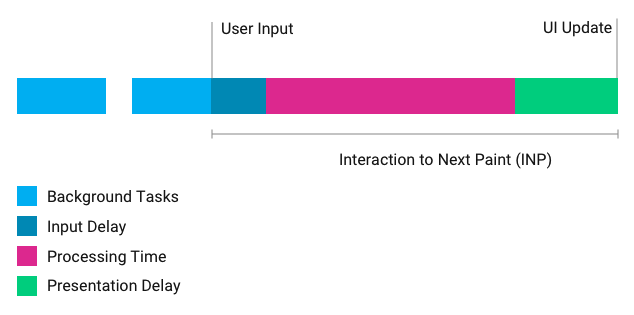
Interaction to Next Paint (INP), which evaluates responsiveness after user interaction. This replaced First Input Delay and is now a more accurate measure of real user experience.
Cumulative Layout Shift (CLS), which assesses visual stability while the page loads.
These metrics are based on real-user field data, not theoretical lab conditions. That distinction matters. You are being evaluated on how real visitors experience your website.


4
Why Website Speed Directly Influences SEO Rankings
Search engines aim to deliver the best possible user experience. When two websites provide similar information, the faster one typically ranks higher.
Speed impacts SEO in several interconnected ways.
First, it affects engagement signals. A slow site increases bounce rates and reduces dwell time. When users leave quickly, search engines interpret this as a weak result for the query.
Second, it impacts crawl efficiency. Slow server responses can reduce how efficiently bots index your pages. For larger websites, this can limit visibility across deeper content.
Third, mobile performance now outweighs desktop metrics due to mobile-first indexing. If your mobile experience lags, rankings suffer regardless of desktop performance.
Website speed is therefore not a standalone ranking factor. It strengthens or weakens multiple ranking signals simultaneously.
If your website already targets topics such as technical SEO audits or content marketing strategy, this article should internally link to those resources using natural anchor text. For example, a phrase like “technical SEO audit” should link to your detailed audit service page, reinforcing topical authority. Similarly, discussions about content performance can link to your content optimization guide.
This creates semantic relevance clusters, which modern search algorithms reward.
The Financial Impact of Website Speed
Speed affects revenue more directly than many businesses realize.
Research consistently shows that even a one-second delay can reduce conversions by up to seven percent. For companies generating significant monthly revenue, that translates into measurable annual losses.
Large-scale businesses such as Amazon have publicly discussed how milliseconds influence revenue at scale. While smaller companies may not see million-dollar fluctuations, the proportional impact remains significant.
A slow website causes hesitation. Product pages take longer to render. Forms feel unresponsive. Checkout processes feel uncertain.
That hesitation reduces trust, and reduced trust lowers conversions.
For agencies publishing this guide on a company website such as DOC Infotech, it is important to internally connect this discussion to relevant service offerings. For example, references to conversion optimization should link naturally to a CRO service page. Mentions of performance optimization should link to a website development or technical SEO service page.
This strengthens both user navigation and SEO authority.
Mobile Performance Is Now the Primary Benchmark
Over sixty percent of global traffic comes from mobile devices. Mobile networks are often slower and less stable than desktop connections. At the same time, user patience on mobile is lower.
Because of mobile-first indexing, search engines evaluate your mobile experience first. If your mobile performance is weak, your entire site’s visibility can decline.
Mobile speed affects local businesses in particular. When users search for services near them, fast-loading mobile pages significantly increase conversion likelihood.
For businesses offering local SEO services, internal linking should connect this section to your local SEO strategy page. This reinforces topical depth while improving crawl pathways.
The Psychology of Speed and Trust
Speed influences perception.
A fast website feels secure, reliable, and modern. A slow website feels outdated and unprofessional. This perception occurs within seconds and often subconsciously.
Trust is a core driver of conversions. Performance contributes to that trust more than most visual design elements.
In competitive markets, where users compare multiple providers quickly, speed becomes a silent differentiator.
Technical Causes of Slow Websites
Most slow websites share similar root causes.
Large uncompressed images significantly increase page weight. Heavy JavaScript delays rendering. Poor hosting infrastructure increases server response times. Excessive plugins create unnecessary HTTP requests. Third-party scripts add complexity and latency.
Modern solutions include edge caching via providers like Cloudflare, upgrading to high-performance cloud hosting, implementing server-side rendering, and minimizing unused code.
For businesses that offer web development services, this section should link to a page explaining your development stack or performance methodology. That internal link should use descriptive anchor text rather than generic phrases like “click here.”
Advanced SEO Measures for 2026
To remain competitive in 2026, performance optimization must align with broader SEO developments.
Search engines increasingly evaluate user experience signals in combination with content quality and expertise signals. Aligning with E-E-A-T principles (Experience, Expertise, Authoritativeness, Trustworthiness) is essential.
Performance contributes to perceived expertise. A technically optimized website signals professionalism.
Structured data implementation improves indexing efficiency. Schema markup helps search engines understand your content hierarchy. Combined with optimized performance, this strengthens visibility.
AI-driven search experiences are also rising. Fast-loading pages with clear structure are more likely to be summarized or referenced in AI-generated search results.
When publishing this guide, ensure that it links to related authority content within your site. For example, references to technical SEO can link to a deeper technical guide. Mentions of digital marketing strategy can connect to a comprehensive strategy article. This creates topical clusters, strengthening overall domain authority.
Avoid over-optimizing anchor text. Keep it natural and context-driven.
Speed Optimization Strategies That Deliver Measurable Results
Improving speed requires layered improvements rather than one quick fix.
Image optimization using modern formats like WebP reduces file size significantly. Lazy loading ensures media loads only when necessary. Code minification reduces file weight. Browser caching accelerates repeat visits. Reducing third-party scripts eliminates unnecessary processing.
Upgrading hosting often delivers the most immediate improvement. Infrastructure quality directly affects Time to First Byte and overall responsiveness.
Using content delivery networks distributes assets globally, minimizing latency across geographic regions.
Performance optimization should be monitored continuously using tools such as GTmetrix and Pingdom, alongside Google’s own analytics tools.
Internal Linking Strategy for Maximum SEO Impact
To maximize ranking potential, this article should not exist in isolation.
It should connect naturally to:
• Your Technical SEO Services page
• Your Website Development Services page
• Your Conversion Rate Optimization page
• Your Local SEO Services page
• Your Content Marketing Strategy guide
• Your Core Web Vitals optimization case study
Each link should be placed where contextually relevant, not grouped artificially.
This creates:
Topical clusters
Improved crawl depth
Stronger semantic relationships
Higher authority signals
Avoid excessive links. Focus on relevance and user value.
Additionally, ensure supporting pages link back to this guide using descriptive anchor text such as “website speed and SEO guide.” This bi-directional linking strengthens authority.
The Compounding Growth Effect
Website speed improvements generate layered benefits.
Lower bounce rates improve engagement signals. Better engagement strengthens rankings. Higher rankings increase traffic. Increased traffic leads to more conversions.
Unlike paid advertising, speed optimization compounds over time.
For agencies, this makes performance optimization a high-return service offering.
The Future of Website Speed
Search engines are moving toward deeper real-user evaluation, AI-enhanced search summaries, and stricter performance benchmarks.
As competition increases, performance gaps become ranking gaps.
Businesses that proactively invest in speed optimization will gain visibility advantages while competitors struggle to catch up.
Final Thoughts
Website speed is no longer optional.
It influences rankings, trust, conversions, and revenue.
It affects how search engines interpret your authority and how users perceive your credibility.
For businesses publishing this guide — especially agencies like DOC Infotech — performance optimization should be positioned not as a technical feature, but as a growth strategy.
The faster your website performs, the stronger your SEO foundation becomes.
And in 2026, foundation determines dominance.