Shopify vs WooCommerce (2026): The Complete 2,500+ Word Comparison for Growing eCommerce Brands
In 2026, choosing the right eCommerce platform is not just a technical decision — it’s a growth decision.The wrong choice can:
- Limit your SEO potential
- Increase transaction costs
- Slow down your website
- Force expensive migrations later
The right choice can:
- Increase conversion rates
- Improve organic rankings
- Support global expansion
- Reduce operational stress
Two platforms dominate the global market:
- Shopify
- WooCommerce
This guide breaks down everything — pricing, SEO, performance, AI tools, security, scalability, hidden costs, and long-term growth potential — so you can make the smartest decision for your business in 2026.
If you’re unsure which platform fits your business model, the eCommerce specialists at DOC Infotech help brands choose, build, and scale high-performing online stores.
Quick Answer
Is Shopify or WooCommerce better in 2026?
- Choose Shopify if you want a fully managed, beginner-friendly, fast-to-launch platform with built-in hosting and security.
- Choose WooCommerce if you want full customization, advanced SEO control, and long-term flexibility with lower transaction fees.
There is no universal winner — it depends on your business model, budget, and growth strategy.
Market Position in 2026
Understanding platform dominance helps you see long-term stability.
- Shopify powers millions of active stores globally and continues to grow rapidly in D2C and international commerce.
- WooCommerce powers a significant percentage of all online stores built on WordPress, which itself runs a large portion of the internet.
Positioning Insight:
- Shopify dominates the hosted SaaS eCommerce space
- WooCommerce dominates the open-source WordPress commerce ecosystem
If you’re building for longevity, both are safe bets. The difference lies in control vs convenience.
1. What is Shopify?

4
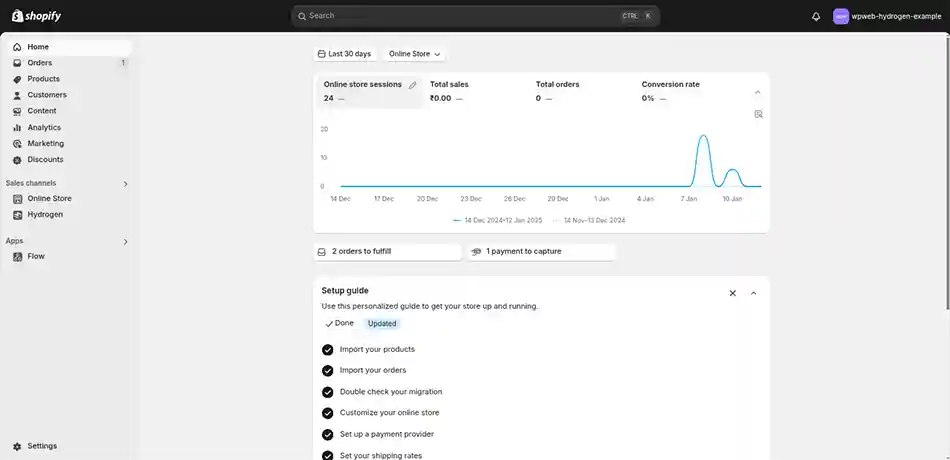
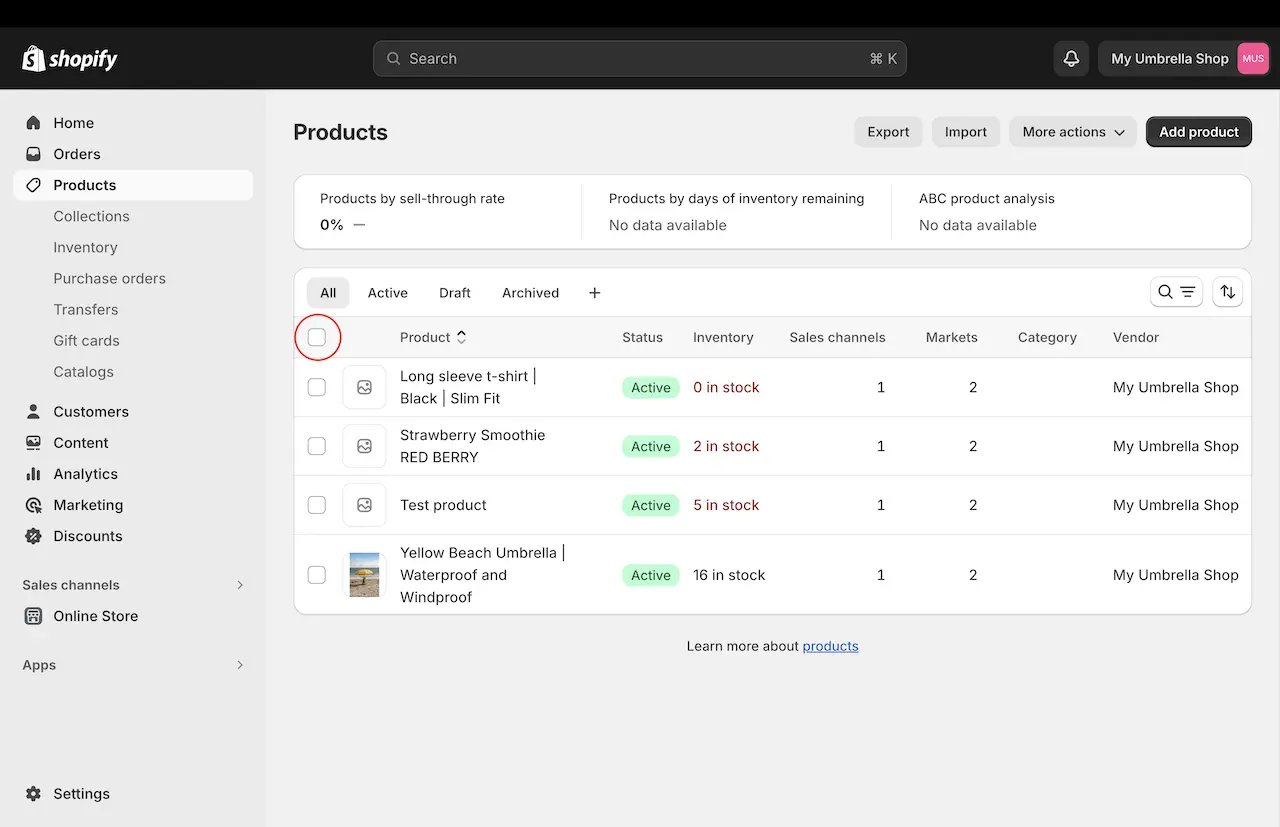
Shopify is a fully hosted eCommerce platform that allows businesses to build, manage, and scale online stores without handling servers or technical maintenance.
Core Features in 2026
- Built-in hosting with global CDN
- Integrated payment system (Shopify Payments)
- AI-powered product descriptions
- Multi-currency selling
- Advanced analytics dashboard
- Headless commerce support
- Enterprise solution (Shopify Plus)
Pros
✔ Extremely beginner-friendly
✔ Fast setup (launch in 1–2 days)
✔ 24/7 support
✔ Secure by default
✔ Reliable infrastructure
Cons
✖ Monthly subscription required
✖ Transaction fees if not using Shopify Payments
✖ Limited backend customization
2. What is WooCommerce?
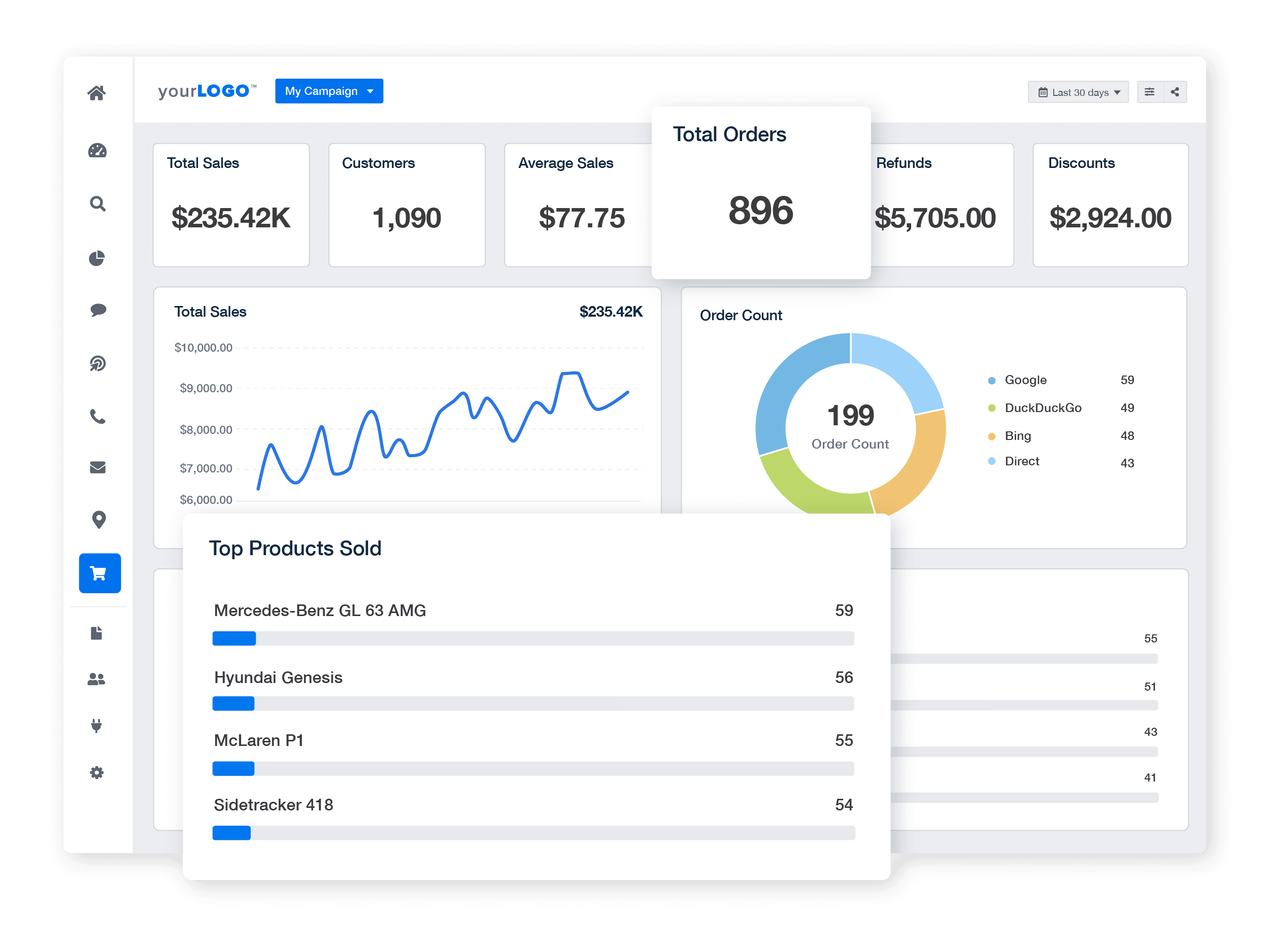
4
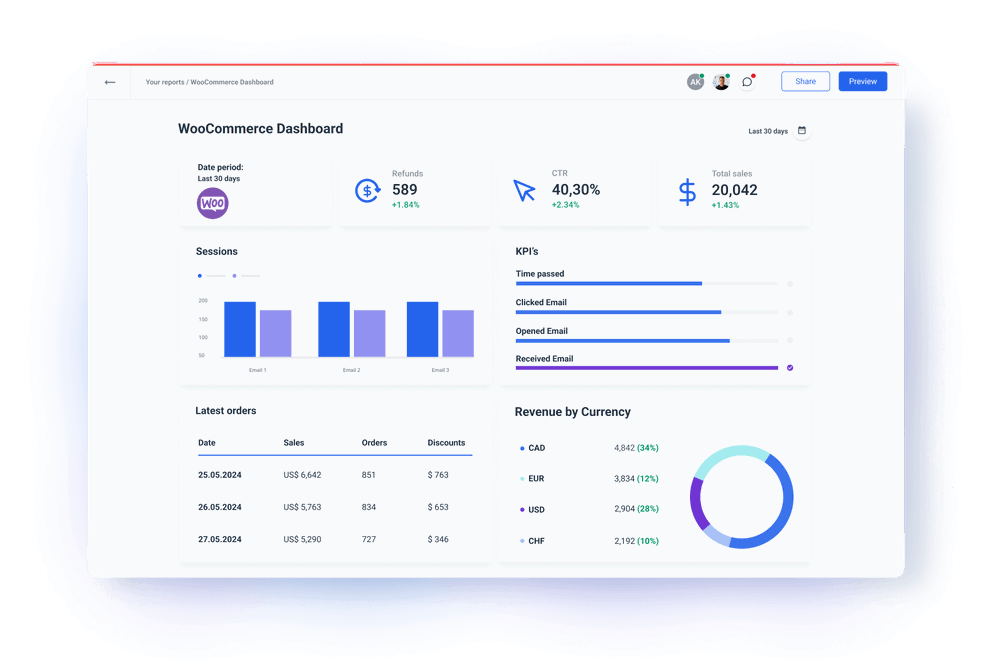
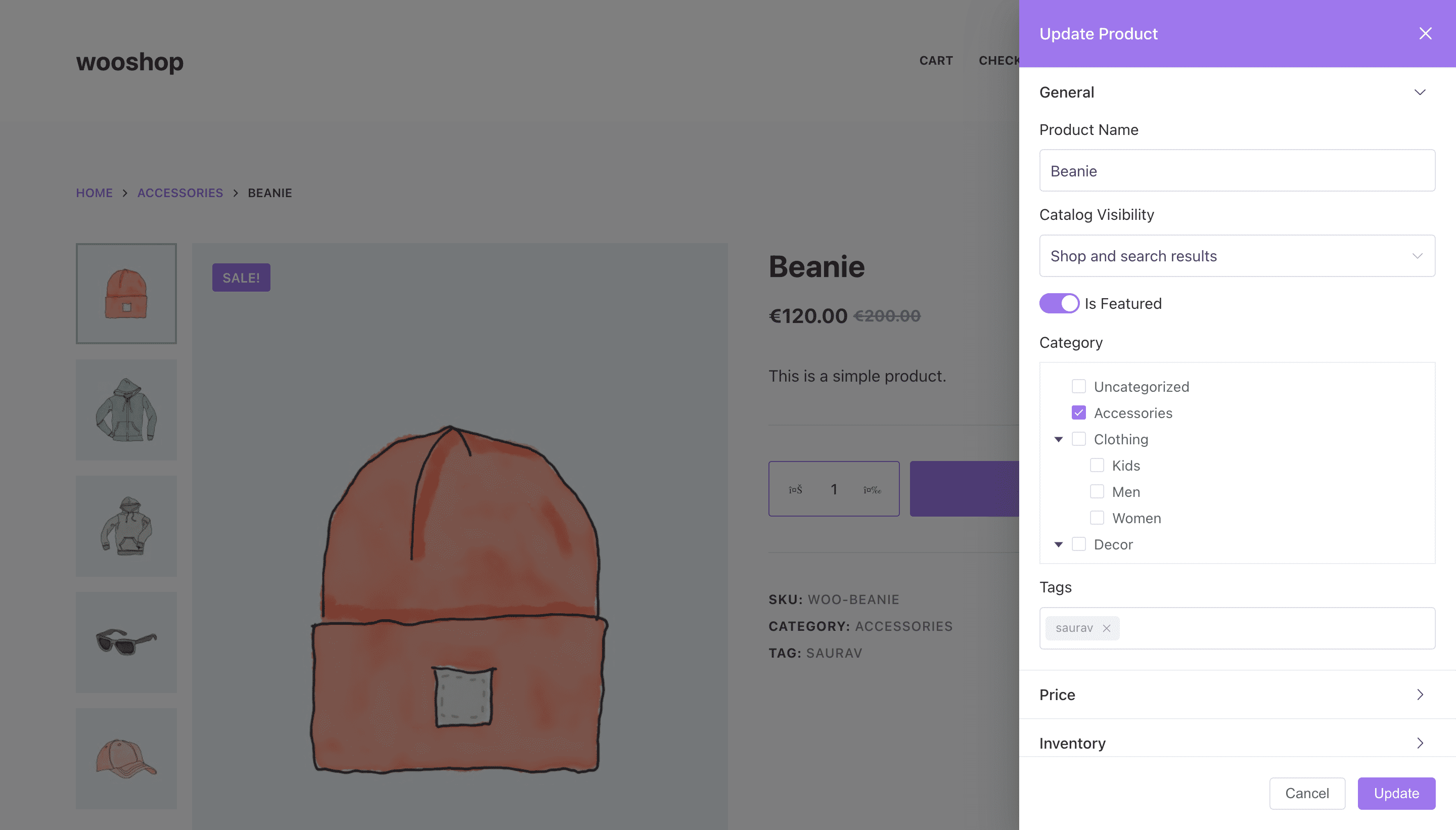
WooCommerce is an open-source eCommerce plugin for WordPress. It converts your WordPress website into a fully customizable online store.
Core Features in 2026
- Complete design flexibility
- No platform transaction fees
- Advanced SEO control
- Unlimited product listings
- Massive plugin ecosystem
- API integrations
Pros
✔ Full ownership
✔ Unlimited customization
✔ Strong SEO capabilities
✔ Lower long-term fees
✔ Ideal for content-driven brands
Cons
✖ Requires hosting
✖ Manual maintenance
✖ Technical setup needed
Pricing Comparison (2026 Real Cost Breakdown)
Shopify Pricing
- Basic: ~$39/month
- Mid-tier: ~$105/month
- Advanced: ~$399/month
Additional costs:
- Premium themes ($150–$350 one-time)
- Apps ($10–$200/month combined)
- Transaction fees (if not using Shopify Payments)
Estimated Annual Cost: $1,000 – $6,000+
WooCommerce Pricing
- Plugin: Free
- Hosting: $5–$40/month (shared)
- Premium hosting (scaling): $30–$150/month
- Themes: $50–$100/year
- Paid plugins: Variable
Estimated Annual Cost: $300 – $3,500+
Hidden Costs (Critical Section)
Shopify Hidden Costs
- App stacking (SEO, upsell, subscriptions)
- Checkout customization limitations
- Third-party transaction fees
- Advanced analytics locked in higher plans
WooCommerce Hidden Costs
- Developer retainers
- Security monitoring tools
- Premium caching plugins
- Server upgrades during traffic spikes
Verdict: WooCommerce is cheaper initially, but both platforms scale in cost as you grow.
SEO Comparison (Extremely Important in 2026)
Organic traffic is the most profitable long-term growth channel.
Shopify SEO
- Clean URL structure
- Automatic sitemap
- Mobile optimized
- Good performance by default
- Limited URL flexibility
WooCommerce SEO
- Full URL control
- Advanced schema markup
- Complete metadata customization
- Seamless blog integration
- Integration with SEO plugins
Winner: WooCommerce for maximum SEO control.
If content marketing is your primary strategy, WooCommerce gives deeper optimization capabilities.
Businesses that rely heavily on organic growth often require technical SEO configuration, structured data setup, and performance optimization. If you’re building for long-term organic dominance, working with an experienced eCommerce SEO team like DOC Infotech can prevent costly mistakes later.
Performance & Speed
Speed directly impacts rankings and conversions.
Studies consistently show that:
- A 1-second delay can reduce conversions significantly.
- Faster stores see higher engagement and lower bounce rates.
Shopify
- Global CDN included
- Infrastructure optimized
- No server configuration needed
WooCommerce
- Performance depends on hosting quality
- Can outperform Shopify with premium hosting
- Requires caching + optimization setup
Quick Verdict:
- Shopify wins for simplicity
- WooCommerce wins if technically optimized
Security Comparison
Shopify
- SSL included
- PCI compliance handled
- Automatic updates
- Fraud analysis tools
WooCommerce
- SSL must be installed
- Plugin updates required
- Hosting security responsibility
Winner: Shopify (lower stress)
Customization & Flexibility
This is where WooCommerce dominates.
Shopify:
- Limited backend editing
- Customization mostly app-based
WooCommerce:
- Full code access
- Custom checkout flows
- Custom integrations
- Advanced API usage
Winner: WooCommerce
If you want full control over user journey and backend logic, WooCommerce is superior.
AI & Automation in 2026
AI-driven commerce is accelerating.
Shopify
- Built-in AI product descriptions
- Automated tagging
- AI-powered analytics
- Email automation integrations
WooCommerce
- AI available via plugins
- More flexible but requires setup
Leader: Shopify for built-in AI simplicity.
Scalability in 2026
Shopify
- Shopify Plus for enterprise
- Handles high traffic spikes
- Global selling tools
WooCommerce
- Scales with server upgrades
- Enterprise-ready with strong infrastructure
- Requires technical oversight
Verdict: Both scale — infrastructure matters more than platform.
Payment Gateways (Especially Important for Indian Businesses)
Shopify
- Shopify Payments
- Third-party integrations
- Transaction fees may apply
WooCommerce
- Stripe
- PayPal
- Razorpay
- No platform transaction fee
For Indian businesses avoiding extra platform fees, WooCommerce often becomes more cost-effective.
Migration Difficulty
Migrating platforms can cost thousands.
- Shopify → WooCommerce: Possible but complex
- WooCommerce → Shopify: Easier with tools
Advice: Choose carefully upfront to avoid migration headaches later.
2026 Trends That Affect Your Choice
- Headless commerce growth
- AI-powered personalization
- Voice commerce
- Global cross-border selling
- Core Web Vitals impact on rankings
Shopify excels in managed innovation.
WooCommerce excels in flexible innovation.
Strategic Recommendation Framework
Choose Shopify if:
- Revenue < ₹10L/month
- You want quick launch
- You lack technical expertise
- You prefer all-in-one simplicity
Choose WooCommerce if:
- SEO is primary growth channel
- You run heavy content marketing
- You want deep customization
- You want long-term cost flexibility
Structured FAQ (Optimized for Featured Snippets)
Is Shopify better than WooCommerce in 2026?
Shopify is better for ease of use and managed hosting. WooCommerce is better for customization and advanced SEO.
Which platform is better for SEO?
WooCommerce provides more control over URLs, schema, and metadata, making it more flexible for SEO strategies.
Which is cheaper long-term?
WooCommerce can be cheaper long-term, especially if you avoid heavy developer dependency.
Is Shopify faster than WooCommerce?
Shopify is optimized out of the box. WooCommerce can be faster with premium hosting and caching setup.
Which platform is better for Indian businesses?
WooCommerce may reduce transaction fees due to flexible payment gateway integrations.
Can WooCommerce handle large stores?
Yes, with strong hosting and infrastructure, WooCommerce can handle enterprise-level traffic and product catalogs.
Final Verdict: Which Is Better?
There is no universal winner.
| Business Type | Recommended Platform |
|---|---|
| Beginner | Shopify |
| SEO-focused brand | WooCommerce |
| Enterprise scaling | Shopify Plus |
| Custom development | WooCommerce |
Conclusion
In 2026, the eCommerce landscape is highly competitive.
Choosing between Shopify and WooCommerce depends on:
- Technical comfort
- Budget
- SEO focus
- Growth strategy
- Customization needs
If you want:
- Speed + simplicity → Shopify
- Control + SEO depth → WooCommerce
Choose strategically.
Because migrating later is expensive.
And the platform you choose today will shape your revenue tomorrow.